Hi! I'm Haleigh and I build island worlds like this one to see if they could host an origin of life.

PhD Candidate · Computational Astrobiology · Purdue
Hi! I'm Haleigh and I build island worlds like this one to see if they could host an origin of life.
NSF Graduate Research Fellow working with Dr. Stephanie Olson. I run ExoPlaSim simulations across obliquity, rotation rate, and host star to track wet-dry cycling in warm little ponds (conditions thought to let RNA precursors accumulate).
About
Liquid water is the usual test for habitability, but water on its own only tells you whether a planet could keep life alive. Whether life could have started there is a different question, and that is what my PhD work is after: which planetary conditions actually favor an origin of life, and which of those worlds a direct imaging mission like NASA's Habitable Worlds Observatory should look at first.
In Dr. Stephanie Olson's PHAB Lab at Purdue, I use ExoPlaSim and a custom post-processing pipeline to simulate volcanic island worlds across obliquity, rotation rate, and host star, tracking the wet-dry cycling and the buildup of prebiotic organics that this route to an origin of life depends on. The end goal is an Origin of Life Index, a ranking of exoplanet targets by their potential for an origin of life on top of plain habitability.
- NSF Graduate Research Fellow
- Zonta Amelia Earhart Fellow
- Ross Fellowship
- Summa Cum Laude
- Goldschmidt Convener 2025–26
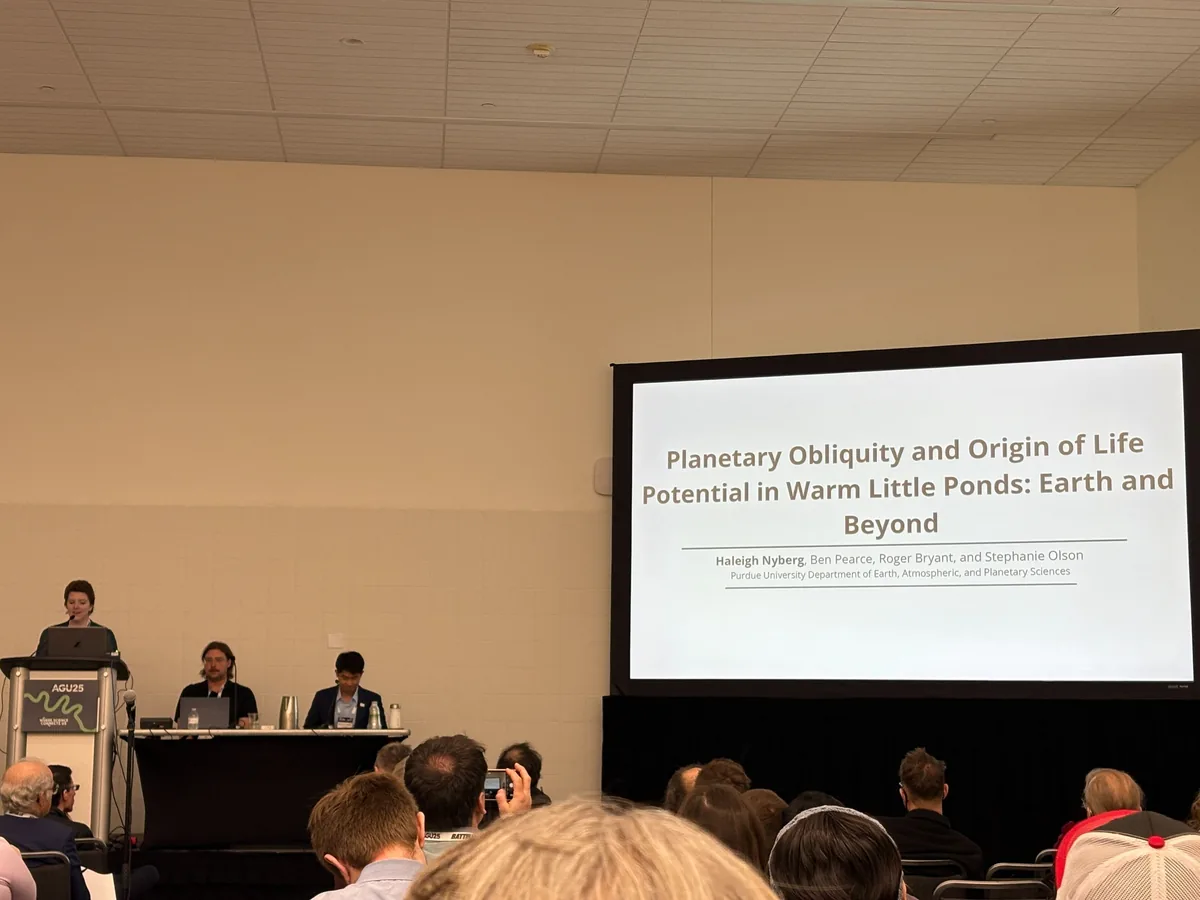
- AGU Invited Speaker (2025)
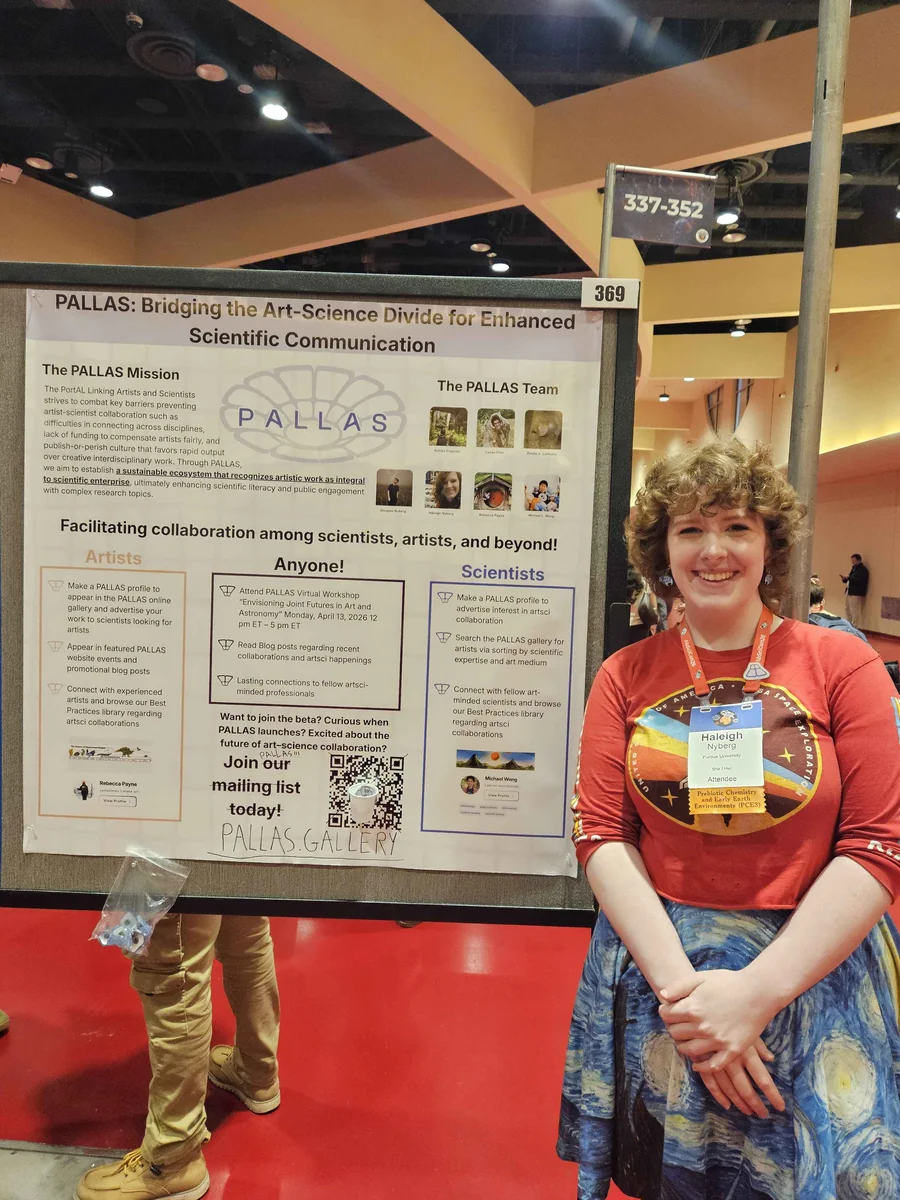
Outside the model runs, I have served as Executive Secretary on three NASA review panels (Habitable Worlds and the Exoplanets Research Program), reviewed a manuscript for the Planetary Science Journal, and coached 40 fellowship applicants across 12 programs through Purdue's OGSPS office after winning my own GRFP.
Selected Projects
Research
Computational Astrobiology · ExoPlaSim
Habitability is about whether a planet could keep life alive. I am more interested in whether life could have started there in the first place. I run ExoPlaSim (a 3D general circulation model) across a parameter space of obliquity, rotation rate, host star, and surface configuration to figure out which planets allow wet-dry cycling in warm little ponds. The pond model then tracks whether precipitation, evaporation, and haze deposition let RNA precursors actually accumulate.
Chapter 1 (in prep for PNAS): where a planet cycles wet and dry follows where its star puts the light, and high obliquity opens that cycling up across the whole globe. Whether the organics survive is a separate question, since haze has to deliver them and the ponds have to hold onto them through the wet phase.
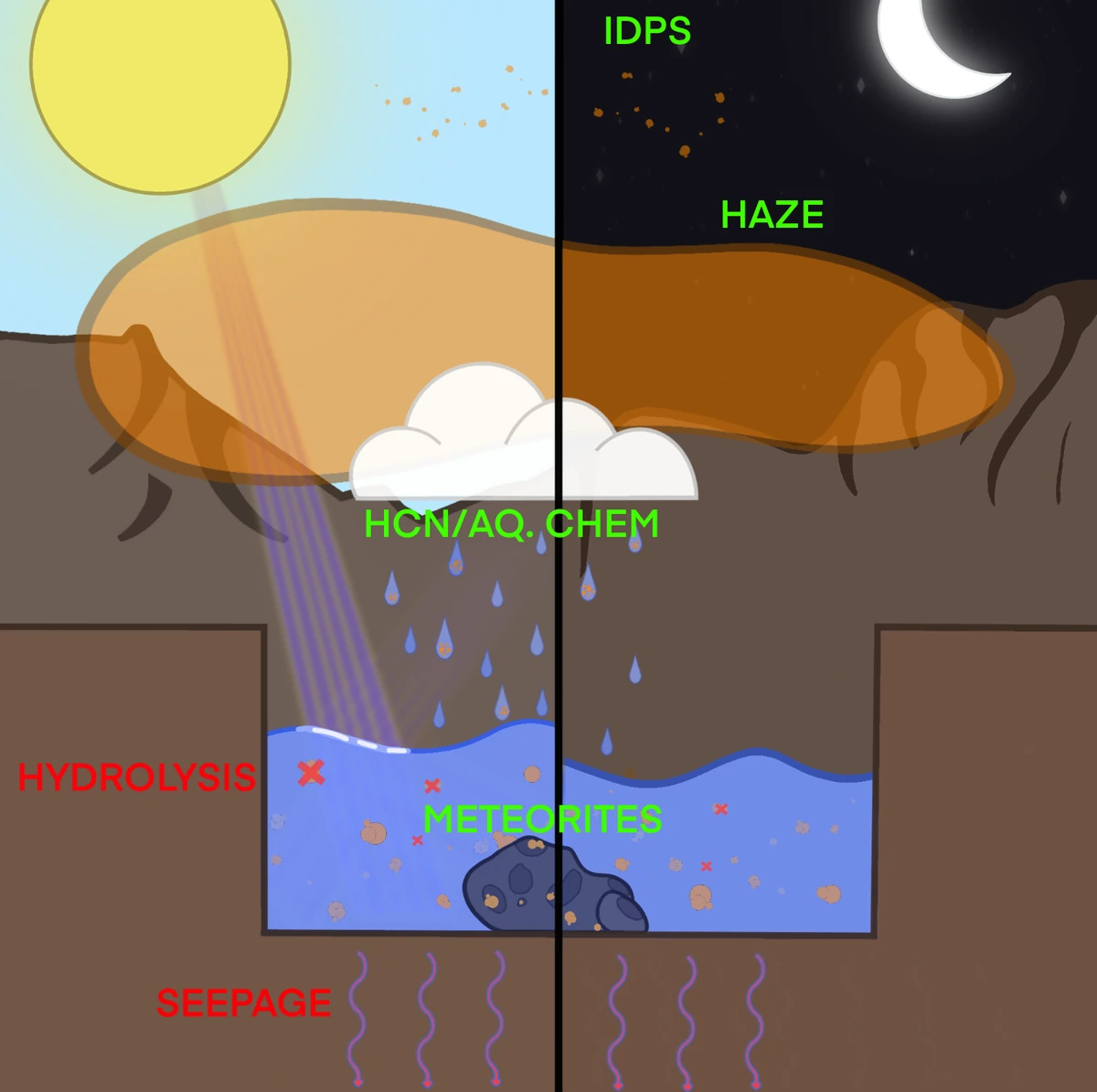
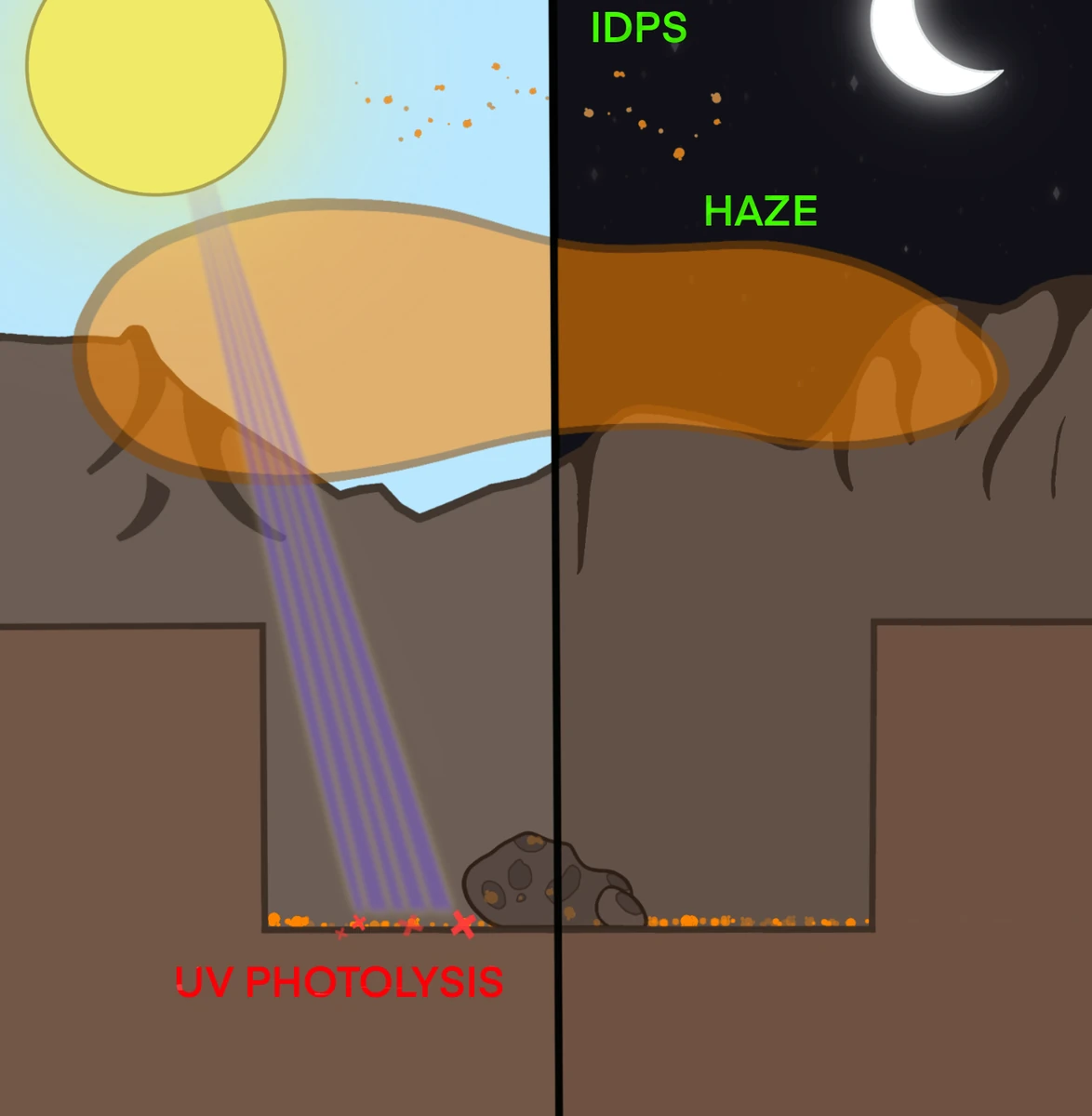
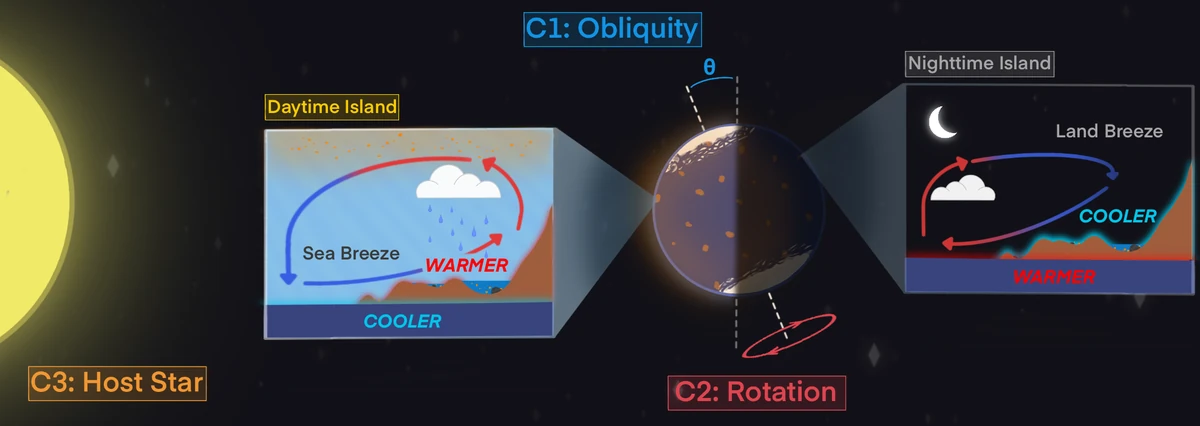
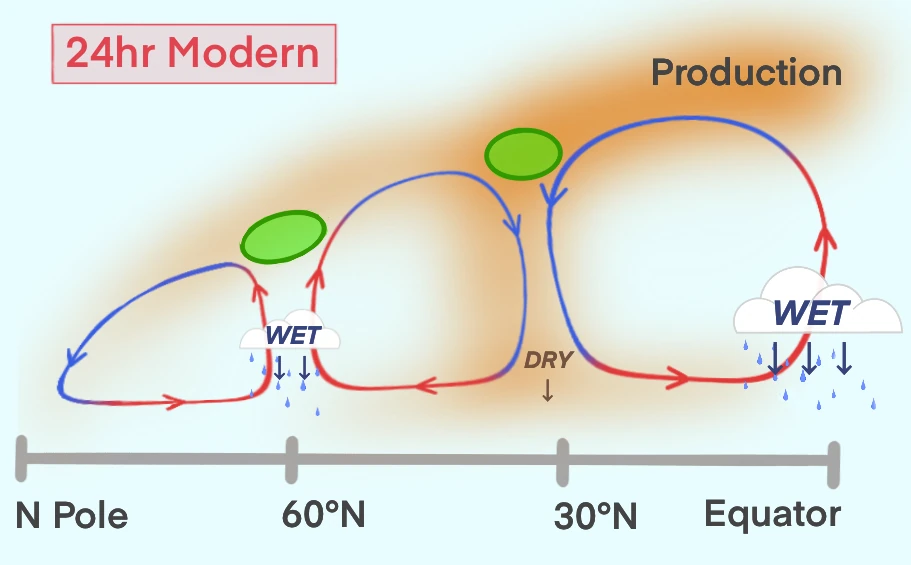
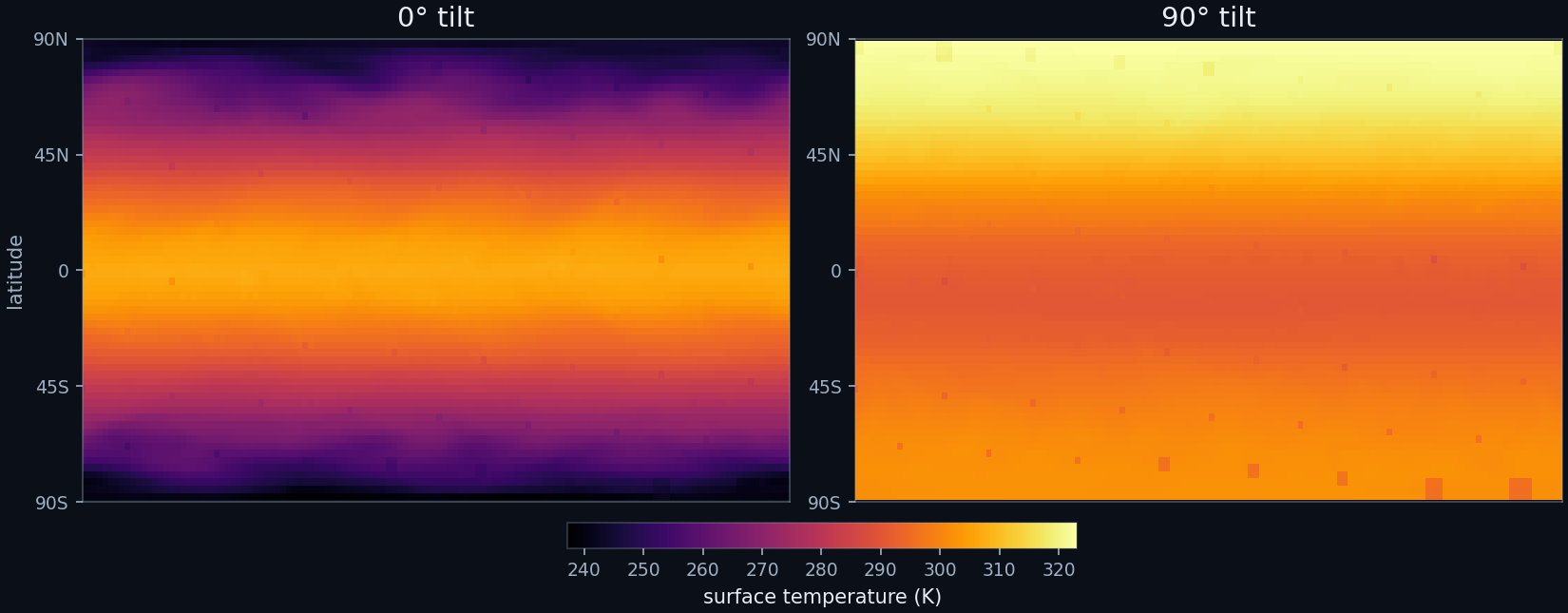
The island you see here is what I simulate (a volcanic hotspot where sea-land breeze circulation drives evaporation and precipitation through warm little ponds).
Full CV (PDF) · Google Scholar · ORCID · Olson Lab →
Supported by the National Science Foundation Graduate Research Fellowship Program under Grant No. DGE-2444108.
Resume / CV
PDF preview available on larger screens.
Connect
Happy to talk about exoplanet climates, prebiotic chemistry, or GCM development (or if you have a free CRT TV).